Anyone that knows me knows how infatuated I am with heirloom garden tomatoes. If I had to only grow one thing it would be tomatoes and because of this, the majority of prime real estate in my garden is designated for this wonderful plant.
Heirloom seeds are those whose ancestry can be traced back at least fifty years or more. The seeds that I’m growing in my garden provide more than just interesting flavors that can’t be found in modern day grocery stores, they provide a connection to history. That matters to me.
So without further adieu, I present to you this year’s tomatoes:
First up are the Reds.
Costoluto Genovese

Also known as the Ugly Tomato these offer sharply ribbed flesh and a tangy flavor that takes any sauce or sandwich you make up to the next level. Baker Creek’s page says “The fluted, old Italian favorite that has been around since the early 19th century. Fruit are rather flattened and quite attractive with their deep ribbing. This variety is a standard in Italy for both fresh eating and preserving; known for its intensely flavorful, deep red flesh. This variety has also became very popular with chefs in this country. “
Bonny Best

Source
The famous old canning tomato that was introduced in 1908 by Bonnie Plant Farm in Union Spring, Alabama. It became one of the most respected canning varieties in America in the first half of the twentieth century. Medium-sized fruit are round, red, meaty and loaded with flavor. A good producer that makes a fine slicer too.
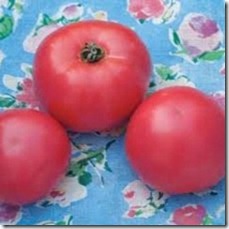
Arkansas Traveler (Actually a pink)
Source
A medium-sized pink tomato that is smooth and a beautiful rose color. An excellent variety from Arkansas, tolerant to heat and humidity; crack and disease resistant. Good flavor, an excellent hillbilly favorite.
Cuor di Bue

Source
This Oxheart type Italian heirloom has been a favorite in Italy for many years. Beautiful 12-oz. fruit have a delicious sweet taste; similar to the shape of a heart; great for fresh eating or cooking. Large vigorous vines.
Manalucie

Source
Fruits are large averaging 8-12 oz. each and are round, globe shaped and deep red in color. Fruits have a wonderful flavor and a good balance of acid and juiciness which makes them great for canning or for eating fresh. This is a very dependable variety and typically does well where other varieties fail. Manalucie is one of the older heirlooms that originated from Florida where heat and humidity are common. Plants set fruit well even during heat spells and very high humidity!
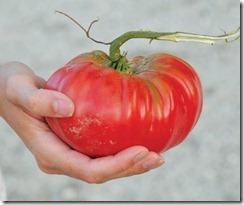
Brandywine
Source
The most popular heirloom vegetable! A favorite of many gardeners; large fruit with superb flavor. A great potato-leafed variety from 1885! Beautiful pink fruit up to 1-1/2 lbs. each!
Beefsteak

Source
A popular old standard variety, deep red and very large, fine flavor, rich old time tomato taste.
Next we have the can’t-be-denied flavor beasts of my garden, the Purple’s:
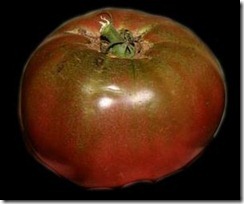
Purple Cherokee
Source
An old Cherokee Indian heirloom, pre-1890 variety; beautiful deep dusky purple-pink color, superb sweet flavor, and very large sized fruit. Try this one for real old-time tomato flavor.
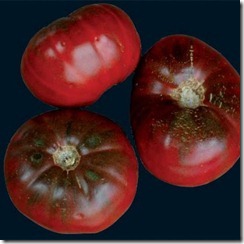
Carbon
Source
Winner of the 2005 “Heirloom Garden Show” best tasting tomato award. These have won taste awards coast to coast in the last few years, so we were proud to locate a small supply of seed. The fruit are smooth, large, and beautiful, being one of the darkest and prettiest of the purple types we have seen. They seem to have an extra dose of the complex flavor that makes dark tomatoes famous.
Chocolate Stripes

Source
One of the most amazing tomatoes we have ever grown. For both color and taste, this variety excels. Fruit is deep reddish-brown inside; the outside is covered with beautiful orange and lime colored stripes. One of the most unique looking tomatoes we have ever tried. It is very sweet and yet has a full-rich flavor, and this is the reason this tomato places very high in taste tests.
Pink Berkeley Tie Dye

Source
Compact plants produce beautiful 8-12 ounce fruit with a very sweet, rich, dark tomato flavor. 10 out of 10 people liked the port wine colored beefsteak with metallic green stripes better than Cherokee Purple in a farmers market taste off.
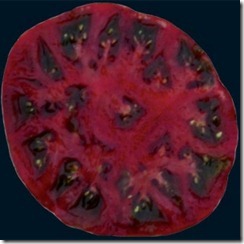
Paul Robeson
Source
This famous tomato has almost a cult following among seed collectors and tomato connoisseurs. They simply cannot get enough of this variety’s amazing flavor that is so distinctive, sweet and smoky. 7-10 oz. fruit are a black-brick color. Named in honor of the famous opera singer star of ‘King Solomon's Mines’, 1937. Paul Robeson was an Equal Rights Advocate for Blacksin Russia as well as all around the world. This Russian heirloom was lovingly named in his honor.
Last but not least, the smaller tomatoes, a real saucy bunch:
Hungarian Paste

Source
Definitely one of the best varieties for making salsas, sauces, or for canning. Hearty determinate plants produce heavy yields of 2-3oz fruits that are borne in clusters of 4 near the center of the plant. Fruits hold well on the vine and keep well after picking, which is perfect if you want to make your sauces all at once. Plants are very hearty and show some disease resistance as well as tolerate adverse weather conditions.
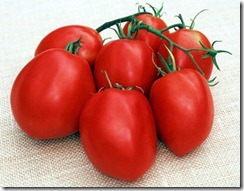
Amish Paste
Source
Many seeds savers believe this is the ultimate paste tomato. Giant, blocky Roma-type tomatoes have delicious red flesh that is perfect for paste and canning. World class flavor and comes from an Amish community in Wisconsin.
San Marzano

Source
This is a newer selection of this famous Italian cooking tomato. Long, cylindrical fruit are filled with thick, dry flesh and few seeds. This heavy producing variety is a standard for many Italian farmers and chefs.
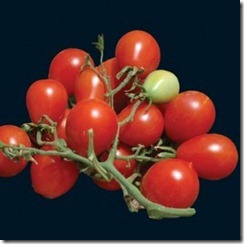
Riesentraube Cherry
Source
This old German heirloom was offered in Philadelphia by the mid-1800's. The sweet red 1-oz. fruit grow in large clusters and the name means "Giant Bunch of Grapes" in German. It is probably the most popular small tomato with seed collectors, as many enjoy the rich, full tomato flavor that is missing in today's cherry types. Large plants produce massive yields.
I’m still determining how many of each type I will wind up growing. Many of these are new to my garden so I’m looking forward to seeing how they turn out. Last year I grew (among others) Amish Paste, Brandywine, Beefsteak, Cherokee Purple, and San Marzano tomatoes. This year I wanted to try out some that were more geared specifically for the Southern weather we have here as well as some new purple varieties that I wanted to try out for comparisons sake. We loved the Purple Cherokee so much last year I can hardly wait to see how these new ones turn out.
With any luck I’ll get enough tomatoes out of these plants to put up enough salsa, sauce, dried tomatoes, roasted tomatoes, and pizza sauce to last us until the 2014 season. Here’s to hoping!


